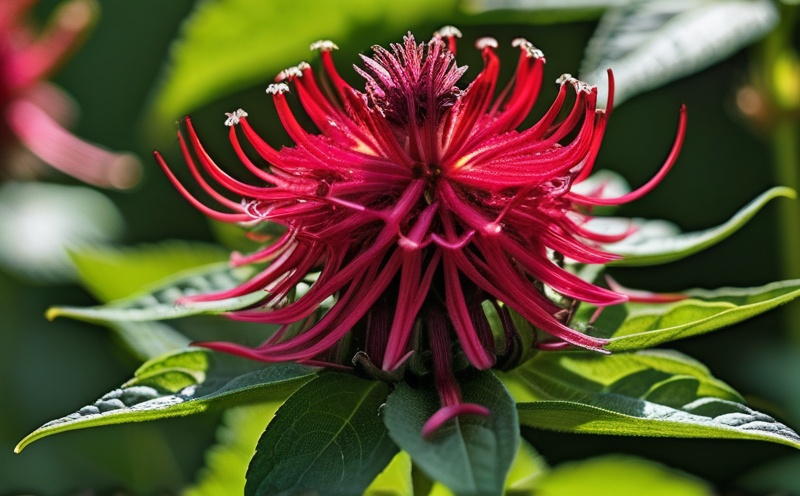
🌿 Bee Balm
Monarda didyma (scarlet); Monarda fistulosa (wild bergamot)
herbs
herbaceous perennial
Lamiaceae (Mint)
☀️ Sun
Full sun to partial shade; more shade reduces blooms and increases powdery mildew risk
💧 Water
Medium, high; keep soil consistently moist especially during flowering; mulch heavily
🗺️ Zones
3, 4, 5, 6, 7, 8, 9
🧪 Soil pH
6.0, 7.0 (slightly acidic to neutral)
🪴 Soil Type
Rich, moisture-retentive soil with high organic matter; tolerates clay if well-amended
🚿 Drainage
Moist but well-drained; does NOT tolerate drought , consistent moisture essential
📏 Spacing
18, 24 inches apart (spreads vigorously)
📐 Height
2, 4 feet
⏱️ Maturity
365 days from seed; blooms second year; divisions bloom first year
🍴 Edible Parts
🍽️ Leaves (tea, flavoring , tastes like Earl Grey)
🍽️ Flowers (salads, garnish, edible raw)
Key:🤝 Grows well together❌ Keep apart☀️ Sun needs💧 Water🗺️ Hardiness zone
🤝 Companions (8)
Anise hyssop and bee balm are mint-family pollinator magnets; purple and red flowers attract hummingbirds and bees.
Echinacea and bee balm bloom together in midsummer pollinator gardens; both native North American perennials.
Joe-pye weed and bee balm are native meadow companions for butterflies; both love moisture with tall, dramatic displays.
Milkweed and bee balm are essential pollinator garden plants for monarchs; share sun and moisture requirements.
Phlox and bee balm are classic cottage garden companions; both love rich, moist soil with overlapping bloom times.
🤝 Rudbeckia (Black-eyed Susan)
Rudbeckia provides late-summer color after bee balm fades; both attract pollinators in similar conditions.
Bee balm near tomatoes attracts pollinators for better fruit set; strong oils may help repel tomato hornworms.
Yarrow's ferny foliage provides air circulation around bee balm reducing mildew; attracts different beneficial insects.
⚠️ Keep Apart (4)
⚠️ Aggressive lawn grass
Turf grass creeping into beds competes for moisture and nutrients; bee balm rhizomes cannot compete.
⚠️ Crowded / poorly ventilated areas
Bee balm in stagnant air develops severe powdery mildew; needs good air movement.
⚠️ Dry, sandy soil
Bee balm wilts and declines in dry soil; requires consistent moisture , not for xeriscape.
⚠️ Other mint-family (too close)
Multiple mint-family plants amplify powdery mildew pressure; ensure excellent air circulation.
💊 Medicinal Uses
Medicinal Properties
- Traditional antimicrobial , thymol content fights oral bacteria, fungal infections
- Digestive aid , carminative for gas, bloating, nausea
- Native American uses: cold remedy, sore throat gargle, wound poultice
- Mild sedative and anxiety relief in herbal tea
📝 Growing Notes
Must-have pollinator plant , attracts bees, butterflies, hummingbirds. Spreading mint-family habit: divide every 3 years. Susceptible to powdery mildew; choose resistant cultivars. Deadhead for extended bloom.
🛒 Buy Seeds & Plants
Baker Creek Heirloom Seeds
Johnny's Selected Seeds
Botanical Interests
True Leaf Market
Burpee
Territorial Seed Company
Plot Buddies is reader-supported. When you buy through links on our site, we may earn an affiliate commission at no extra cost to you. This does not affect our plant recommendations. We only link to retailers we trust.