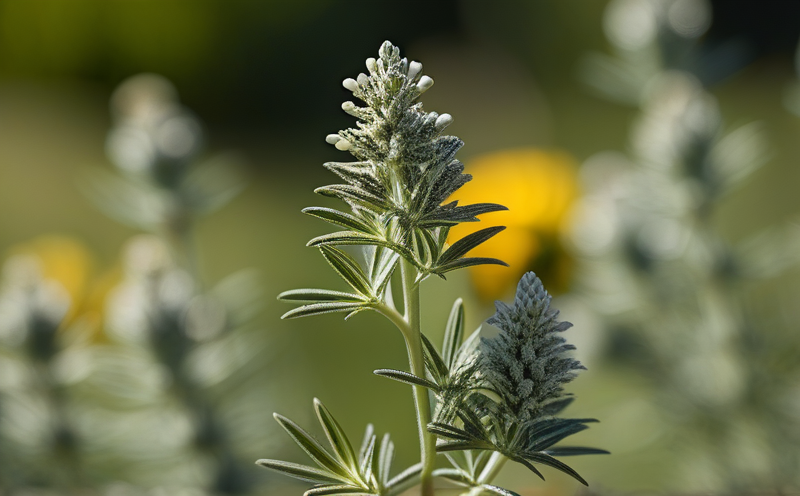
🌿 Wormwood

Artemisia absinthium
herbs perennial sub-shrub / herb
Illustration of Wormwood
☀️ Sun
full sun
💧 Water
low (extremely drought-tolerant; water only during prolonged drought)
🗺️ Zones
4–9
🪴 Soil Type
well-drained, poor to moderately fertile; tolerates poor, rocky, alkaline soil
🧪 Soil pH
6.0–8.0
💧 Drainage
well-drained to dry (essential — rots in wet soil)
📏 Spacing
18–24 inches
📐 Height
24–48 inches
📅 Days to Maturity
365 days (perennial, harvest leaves first year)

🍴 Edible Parts

🍽️ leaves (extremely bitter — used as vermouth and absinthe flavoring in minute quantities; NOT for casual culinary use)

🤝 Companions (5)

Wormwood's strong scent deters aphids, rose chafers, and Japanese beetles from roses; its silver foliage complements rose colors.
🤝 Currant
Wormwood deters currant borers and aphids; planted at bush edges it protects without competing through different root zones.
🤝 Fruit Trees
Wormwood planted at orchard edges deters codling moths, apple maggot flies, and peach borers; its allelopathy doesn't affect deep-rooted mature trees.
Both are drought-loving Mediterranean perennials; combined scents create a powerful insect-repellent border hedge.
🤝 Rue
Both are powerfully bitter, insect-repelling Mediterranean herbs; combined they create an extremely effective pest-barrier planting.

⚠️ Keep Apart (7)

⚠️ Bean
Wormwood is strongly allelopathic — its root exudates and fallen leaves inhibit bean germination and kill nitrogen-fixing bacteria.
⚠️ Pea
Wormwood's allelopathic compounds inhibit pea root development and nodulation; peas will fail to thrive within 3-4 feet.
Wormwood's root exudates stunt carrot root development and reduce germination; carrots planted near wormwood produce small, bitter roots.
Wormwood inhibits tomato growth through strong allelopathy; even leaf-wash from wormwood rain runoff can stunt tomatoes.
Wormwood is allelopathic to anise; inhibits anise germination and stunts growth of any anise plants that do emerge.
Wormwood suppresses dill growth through root allelopathy; dill's delicate flavor can be tainted by wormwood proximity.
Despite being recommended as a companion by some, wormwood's allelopathy can stunt sage growth if planted within 3 feet; keep significant distance.

💊 Medicinal Uses

Bitter digestive tonic, anthelmintic (worm expeller — hence the name), antimicrobial, antipyretic. Contains thujone, absinthin (one of the bitterest substances known), and artemisinin. Used for digestive sluggishness, loss of appetite, intestinal parasites, and liver stimulation. Historically a major vermifuge. CAUTION: Thujone is neurotoxic in high doses — internal use requires professional guidance. Absinthe was banned in many countries early 20th century due to perceived toxicity. Topical use: insect repellent, antiseptic for wounds.

📜 History & Traditional Uses

Name 'wormwood' from Old English 'wermōd' — used to expel intestinal worms. Biblical references: 'bitter as wormwood' in Revelation. Ancient Egyptians and Greeks used it for stomach ailments and parasites. Essential ingredient in absinthe (the 'Green Fairy') — banned in many countries 1915. Used in vermouth (from German 'Wermut' = wormwood). Medieval Europeans strewed it in homes as insect repellent. Hildegard of Bingen prescribed it as the 'most important master remedy.'

📝 Notes

Powerful allelopathic plant — root exudates and leaf litter inhibit germination and growth of many other plants. Do not plant in vegetable gardens. Use as a border hedge where its growth-inhibiting properties are beneficial (edges of property, paths). Primary ingredient in absinthe (with anise and fennel). Extremely bitter — one of the most bitter plants known. Silver-gray feathery foliage is highly ornamental. Deer and rabbit proof. Repels moths (use dried leaves in sachets). Attracts few beneficial insects. Do not plant near legumes or vegetables.