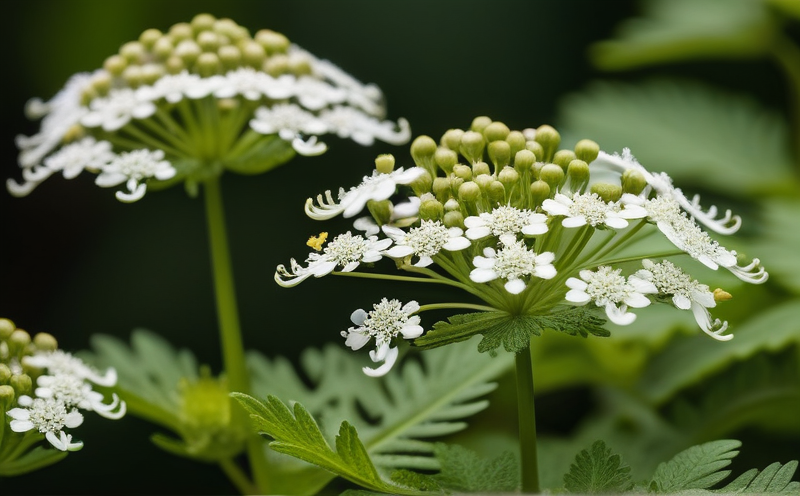
🌿 Anise
Pimpinella anisum
herbs
annual herb
Apiaceae
☀️ Sun
full sun
💧 Water
moderate (consistent moisture during germination and early growth, drier as seeds develop)
🗺️ Zones
4, 11 (annual, requires 120 frost-free days)
🧪 Soil pH
6.0, 7.5
🪴 Soil Type
well-drained, light, sandy to loamy; moderately fertile
🚿 Drainage
well-drained (essential , dislikes wet feet)
📏 Spacing
6, 12 inches
📐 Height
18, 24 inches
⏱️ Maturity
120, 130 days from seed to seed harvest
Key:🤝 Grows well together❌ Keep apart☀️ Sun needs💧 Water🗺️ Hardiness zone
🤝 Companions (6)
Anise's aromatic oils repel aphids and flea beetles from beans; beans fix nitrogen that anise benefits from.
Anise deters cabbage moths and aphids from brassicas through its licorice-scented oils; attracts parasitic wasps.
Both are umbellifers that attract beneficial insects; anise's strong scent deters pests from cilantro.
Anise attracts beneficial insects that control grape pests; its flavor compounds are said to improve grape quality when planted at vineyard edges.
Both are aromatic herbs that attract bees and beneficial wasps; combined scents create a powerful pest-repellent zone.
⚠️ Keep Apart (3)
Anise may inhibit basil growth through allelopathic root compounds; their flavor profiles can negatively influence each other.
Both are umbellifers attracting identical pests (carrot flies, aphids); planting together concentrates pest problems rather than diluting them.
⚠️ Rue
Rue is allelopathic and inhibits anise germination and growth; rue's strong bitter compounds can taint anise's delicate flavor.
📝 Growing Notes
Needs a long, warm growing season , 120 frost-free days minimum. Start indoors in shorter-season climates. Direct sow with difficulty , seeds need light to germinate, surface sow. Taproot is fragile , transplant carefully or direct seed. Harvest seed heads when they turn gray-green, before they shatter. Attracts beneficial insects. Do NOT confuse with star anise (Illicium verum, an evergreen tree) which has the same flavor compound (anethole) but is botanically unrelated. Flavor is sweeter and milder than fennel.
🛒 Buy Seeds & Plants
Baker Creek Heirloom Seeds
Johnny's Selected Seeds
Botanical Interests
True Leaf Market
Burpee
Territorial Seed Company
Plot Buddies is reader-supported. When you buy through links on our site, we may earn an affiliate commission at no extra cost to you. This does not affect our plant recommendations. We only link to retailers we trust.