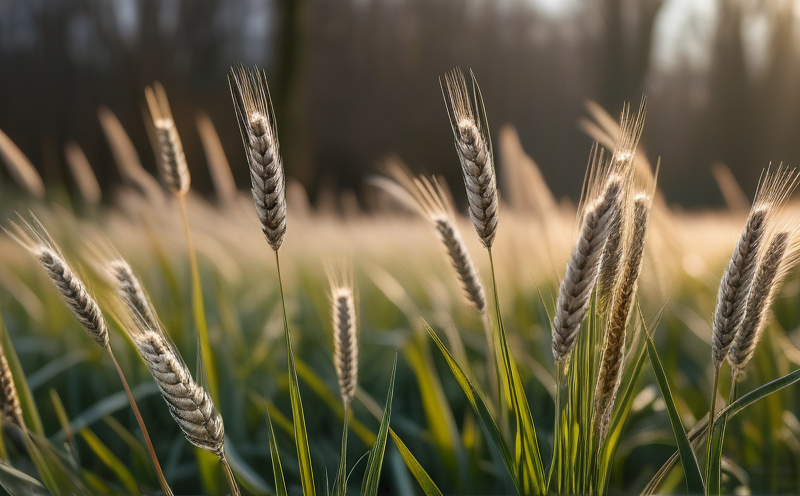
🌾 Winter Rye
Secale cereale
cover-crops
annual grain grass
Poaceae (Grass)
☀️ Sun
Full sun
💧 Water
Low, medium; very drought-tolerant once established
🗺️ Zones
2, 3, 4, 5, 6, 7, 8, 9 (extremely cold-hardy; best winter cover crop for northern climates)
🧪 Soil pH
5.0, 7.0 (tolerates acidic soils better than most grains)
🪴 Soil Type
Adaptable , grows well in sandy, loamy, and even poor soils; tolerates low fertility
🚿 Drainage
Well-drained to moderately drained; tolerates drier conditions better than other winter grains
📏 Spacing
Broadcast at 60, 120 lbs/acre; drill at 6, 8 inch rows
📐 Height
3, 6 feet at maturity
⏱️ Maturity
Planted fall; overwinters; matures following summer (~270 days total)
🍴 Edible Parts
🍽️ Grain (rye flour, rye bread, whiskey, beer)
🍽️ Young shoots (juicing, limited use)
Key:🤝 Grows well together❌ Keep apart☀️ Sun needs💧 Water🗺️ Hardiness zone
🤝 Companions (10)
🤝 Corn (following)
No-till corn into rolled rye is a proven system; rye suppresses weeds while corn accesses deeper moisture.
🤝 Crimson Clover
Rye and crimson clover provide biomass (rye) plus nitrogen (clover) in a balanced winter cover.
Rye and field peas: rye scavenges residual N and provides structure while peas fix additional nitrogen.
Rye-vetch is the classic winter cover crop mix; rye provides structure and N scavenging while vetch fixes nitrogen.
Forage radish breaks compaction then winter-kills; rye fills in remaining space, creating excellent spring mulch.
Rye cover crop suppresses weeds; soybeans planted into rye residue
🤝 Squash / Pumpkin (following)
Squash thrives when planted into terminated rye mulch; weed control and moisture conservation boost yields.
Rye mulch suppresses weeds and retains moisture for tomatoes
⚠️ Keep Apart (4)
Barley shares crown rust and other pathogens with rye; avoid adjacent plantings.
⚠️ Other winter grains (same field)
Multiple winter grains in the same field encourage disease carryover and complicate management.
⚠️ Small-seeded crops (direct-seeded)
Rye residue strongly inhibits germination of small-seeded vegetables like lettuce and carrots , wait 3, 4 weeks after termination.
Rye and wheat share rust diseases; rye can serve as a green bridge for wheat pathogens.
💊 Medicinal Uses
Medicinal Properties
- Rye fiber supports digestive health and blood sugar regulation
- Contains lignans with antioxidant properties
- Whole rye associated with reduced cardiovascular disease risk in studies
📝 Growing Notes
The most cold-hardy winter cover crop , survives temperatures to -30°F. Massive root system (up to 3+ feet deep) scavenges residual nitrogen and prevents leaching. Powerful allelopathic effects suppress weeds (90%+ reduction in some studies). Can be challenging to terminate in spring , requires timely mowing/crimping at flowering stage.
🛒 Buy Seeds & Plants
Baker Creek Heirloom Seeds
Johnny's Selected Seeds
Botanical Interests
True Leaf Market
Burpee
Territorial Seed Company
Plot Buddies is reader-supported. When you buy through links on our site, we may earn an affiliate commission at no extra cost to you. This does not affect our plant recommendations. We only link to retailers we trust.