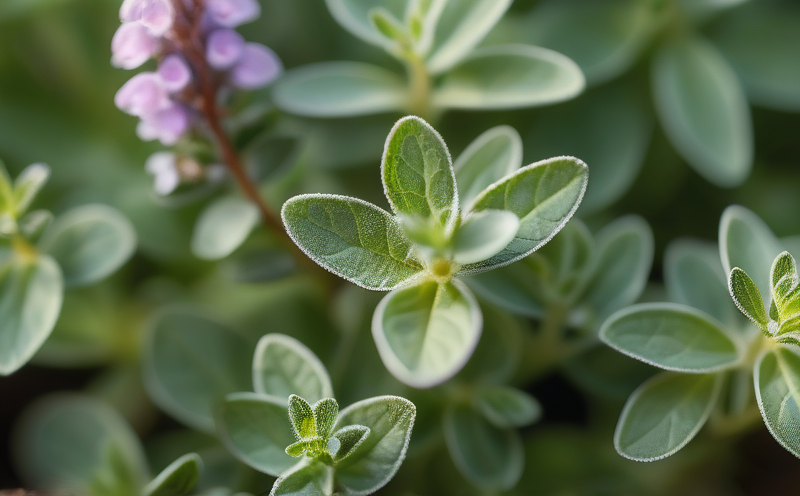
🌿 Thyme

Thymus vulgaris
herbs Perennial herb Lamiaceae
Thyme plant photo
☀️ Sun
Full sun; 6-8 hours daily. Essential for oil production.
💧 Water
Drought-tolerant; water sparingly once established. Let soil dry completely between watering.
🗺️ Zones
USDA zones 5-9 as perennial; elsewhere as annual
🧪 Soil pH
6.0-8.0 (prefers alkaline, well-drained, sandy/rocky soil; excellent drainage essential)
🪴 Soil Type
Well-draining, sandy or loamy soil; pH 6.0-8.0. Tolerates poor, rocky soil. Avoid heavy clay.
📏 Spacing
12-24 inches apart depending on variety
📐 Height
6-12 inches (creeping varieties 2-4 inches)
⏱️ Maturity
90-95 days from seed

🍴 Edible Parts

🍽️ Leaves 🍽️ Flowers
Key:🤝 Grows well together❌ Keep apart☀️ Sun needs💧 Water🗺️ Hardiness zone

🤝 Companions (11)

Thyme repels cabbage worms and flea beetles; low-growing aromatic companion for brassicas.
Repels garden pests that target eggplant, especially flea beetles.
Mutual pest deterrence; both attract beneficial pollinators.
Shared Mediterranean growing conditions; combined aromatic pest deterrence.
Thyme and marjoram share Mediterranean growing conditions; combined aromas enhance pest deterrence.
Similar cultural needs; combined strongly aromatic pest-repelling effect.
Repels blackfly and other rose pests; traditional companion in English gardens.
Deters slugs and snails; ground-cover habit suppresses weeds around strawberries.
Repels tomato hornworms and whiteflies; improves tomato flavor.

⚠️ Keep Apart (2)

Can compete for space and resources; different watering needs.
⚠️ Water-loving vegetables
Thyme requires dry conditions; wet companions cause root rot.

💊 Medicinal Uses

Conditions Treated

💊 Respiratory infections (bronchitis, coughs, whooping cough, chest congestion) 💊 Sore throat and laryngitis 💊 Digestive issues (indigestion, gas, intestinal parasites) 💊 Fungal infections (athlete's foot, ringworm, candida) 💊 Bacterial infections (powerful antiseptic) 💊 Oral health (gingivitis, bad breath) 💊 Skin conditions (acne, wounds, eczema) 💊 Muscle pain and rheumatism

Preparation Methods

  • Tea: 1-2 tsp dried thyme steeped 10-15 minutes; for coughs, colds, and digestive issues
  • Thymol mouthwash: Strong infusion or diluted essential oil as gargle for sore throat
  • Steam inhalation: Fresh/dried thyme in hot water for respiratory congestion
  • Tincture: 1:5 in 45% alcohol; 2-4ml 3x daily for respiratory infections
  • Infused oil: Thyme in olive oil for topical antibacterial/fungal application
  • Bath: Strong infusion added to bathwater for rheumatism and muscle pain
  • Syrup: Thyme honey syrup (oxymel) for persistent coughs

Active Compounds

⚗️ Thymol ⚗️ Carvacrol ⚗️ Flavonoids ⚗️ Rosmarinic acid ⚗️ Tannins

⚠️ Safety

Generally safe in culinary amounts. Essential oil is very concentrated , must be diluted. Avoid medicinal doses during pregnancy. Large internal doses of essential oil can cause nausea, dizziness, or thyroid suppression. Do not use essential oil internally without professional guidance.

📜 History & Folklore

🏛️ Ancient

Ancient Egyptians used thyme in embalming. Greeks burned it as incense in temples; 'thymos' means courage. Roman soldiers bathed in thyme for vigor.

🏰 Medieval

Symbol of courage , knights wore thyme sprigs embroidered by ladies. Used during the Black Death in herbal protective sachets. Burned as fumigant to purify air. Used in embalming.

🌿 Folk Medicine

Traditional European remedy for 'chest complaints' and whooping cough. Thyme honey was a standard cough remedy. Used to treat intestinal worms in children. Placed under pillows to prevent nightmares.

🛒 Buy Seeds & Plants

Plot Buddies is reader-supported. When you buy through links on our site, we may earn an affiliate commission at no extra cost to you. This does not affect our plant recommendations. We only link to retailers we trust.