🌿 Oregano

Origanum vulgare
herbs Perennial herb Lamiaceae
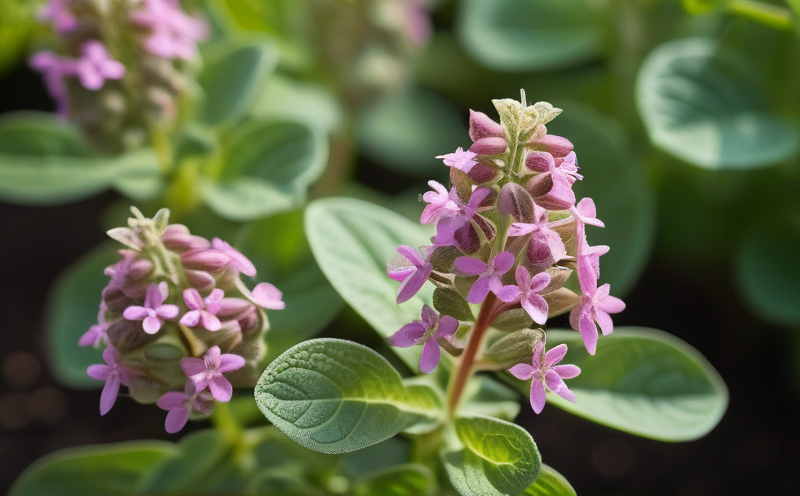
Oregano plant photo
☀️ Sun
Full sun; 6-8 hours daily. Flavor intensifies with more sun.
💧 Water
Allow soil to dry between waterings; drought-tolerant once established. Overwatering causes root rot.
🗺️ Zones
USDA zones 4-10 as perennial; can be grown as annual anywhere
🧪 Soil pH
6.0-8.0 (prefers alkaline, well-drained soil; tolerates poor, rocky soil)
🪴 Soil Type
Well-draining, sandy or loamy soil; pH 6.0-8.0. Tolerates poor soil. Good drainage essential.
📏 Spacing
12-18 inches apart
📐 Height
12-24 inches
⏱️ Maturity
80-90 days from seed

🍴 Edible Parts

🍽️ Leaves 🍽️ Flowers
Key:🤝 Grows well together❌ Keep apart☀️ Sun needs💧 Water🗺️ Hardiness zone

🤝 Companions (15)

Mutual pest deterrence; both aromatic herbs repel different pest species.
Oregano's strong scent masks bean plants from pests.
Oregano's strong aroma masks peppers from pests; attracts pollinators when flowering.
Repels cabbage moths and cabbage white butterflies.
Oregano repels cucumber beetles with its aromatic oils; low-growing ground cover.
Traditional companion in Mediterranean vineyards; may help deter pests.
Oregano shares similar growing conditions with holy basil; aromatic oils complement pest deterrence.
Oregano deters aphids and spider mites from peppers; both thrive in warm, well-drained soil.
Close relatives that thrive together with similar care needs.
Oregano's aromatic oils repel squash pests; attracts beneficial insects.
Oregano's dense growth suppresses weeds around sweet potatoes; pest-repelling oils.
Repels pests that attack tomatoes; improves flavor when planted nearby.
Oregano repels squash bugs and attracts pollinators; Mediterranean herb companion.

⚠️ Keep Apart (1)

⚠️ Water-loving herbs
Oregano prefers drier soil; overwatering from companion plants can cause root rot.

💊 Medicinal Uses

Conditions Treated

💊 Respiratory infections (coughs, bronchitis, asthma, sore throat) 💊 Digestive disorders (indigestion, bloating, gas) 💊 Bacterial and fungal infections (strong antimicrobial) 💊 Inflammation and joint pain (anti-inflammatory) 💊 Menstrual cramps (antispasmodic) 💊 Cold and flu symptoms 💊 Parasitic infections (antiparasitic properties) 💊 Oral health (gingivitis, mouth ulcers)

Preparation Methods

  • Tea/Infusion: 1-2 tsp dried herb steeped 10 minutes; for coughs, colds, digestive issues
  • Oil of oregano: Steam-distilled essential oil; 1-3 drops in carrier oil for topical infections
  • Tincture: 1:5 in 45% alcohol; 1-2ml 3x daily for respiratory/digestive infections
  • Gargle: Strong infusion used as antimicrobial mouthwash for sore throat and oral health
  • Steam inhalation: Few drops of oil in hot water for respiratory congestion
  • Poultice: Crushed leaves applied to fungal skin infections

Active Compounds

⚗️ Carvacrol ⚗️ Thymol ⚗️ Rosmarinic acid ⚗️ Ursolic acid ⚗️ β-caryophyllene

⚠️ Safety

Oil of oregano is very potent , ALWAYS dilute before topical use. May irritate mucous membranes. Avoid medicinal doses during pregnancy (may stimulate uterine contractions). May interact with blood thinners and diabetes medications. Not for long-term internal use of essential oil.

📜 History & Folklore

🏛️ Ancient

Ancient Greeks used oregano for wounds and poisons; name means 'joy of the mountain' (oros ganos). Hippocrates used it as an antiseptic. Romans spread its use throughout Europe.

🏰 Medieval

Used in medieval European medicine as a 'warming' herb for colds and coughs. Strewn on floors as a disinfectant. Hildegard von Bingen recommended it for 'internal rottenness' and skin conditions.

🌿 Folk Medicine

Traditional Mediterranean remedy for respiratory and digestive ailments. Used as a preservative before refrigeration. Appalachian folk medicine uses oregano tea for colds, coughs, and menstrual cramps.

🛒 Buy Seeds & Plants

Plot Buddies is reader-supported. When you buy through links on our site, we may earn an affiliate commission at no extra cost to you. This does not affect our plant recommendations. We only link to retailers we trust.