🥦 Horseradish

Armoracia rusticana
vegetables perennial root vegetable (brassicaceae)
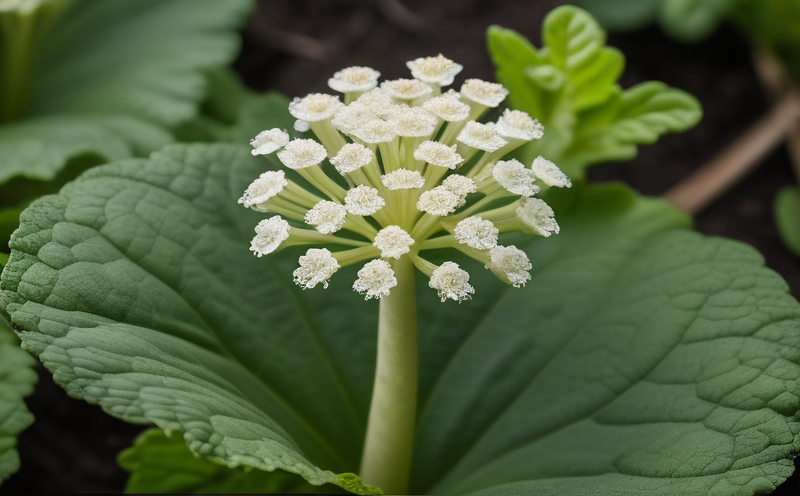
Horseradish plant photo
☀️ Sun
Full sun (6+ hours) for best root development; tolerates partial shade but roots will be smaller and less pungent
💧 Water
Medium; 1 inch per week; consistent moisture during root development produces more pungent roots; reduce water as harvest approaches; drought stress causes woody, excessively hot roots
🗺️ Zones
[2, 3, 4, 5, 6, 7, 8, 9, 10]
🧪 Soil pH
6.0, 7.5 (slightly acidic to slightly alkaline); adapts to a wide range
🪴 Soil Type
Deep, rich, loose loam with high organic matter; horseradish produces the largest, straightest roots in deeply worked, friable soil; incorporate compost deeply; avoid fresh manure (causes forking)
🚿 Drainage
Well-drained soil essential; horseradish will rot in standing water; raised beds or mounded rows recommended
📏 Spacing
18, 24 inches apart; rows 30, 36 inches; horseradish is a vigorous, spreading plant , can become invasive if not contained

🍴 Edible Parts

🍽️ Root (the main crop , grated fresh for horseradish sauce with vinegar; loses pungency when cooked, so only use raw) 🍽️ Young leaves (edible when young and tender , spicy, peppery flavor; add sparingly to salads; cook older leaves as a potherb) 🍽️ Flower buds (edible , similar to broccoli rabe) 🍽️ Sprouts (young root sprouts edible raw)
Key:🤝 Grows well together❌ Keep apart☀️ Sun needs💧 Water🗺️ Hardiness zone

🤝 Companions (8)

Both perennials in different root zones; horseradish may help repel asparagus beetles
🤝 Fruit Trees
Planted at base, horseradish deters borers and pests
Horseradish repels Colorado potato beetles and blister beetles; classic companion planting combination , plant horseradish at corners of potato patch
Both long-lived perennials with similar deep-rooted growth habits; horseradish deters pests from rhubarb; compatible in perennial food forests
Horseradish deters sweet potato weevils and various beetles; strong volatile compounds confuse pests
🤝 fruit trees (apple, peach, cherry)
Repels borers, aphids, and various fruit tree pests; plant at tree base for brown rot prevention; traditional orchard companion

⚠️ Keep Apart (5)

Allelopathic , strongly inhibits horseradish growth
⚠️ bean (all types)
Horseradish root exudates inhibit bean growth; brassica- legume antagonism
⚠️ brassicas (broccoli, cabbage, kale, etc.)
Shared pests and diseases , flea beetles, cabbage worms, clubroot; plant far apart to prevent pest concentration
Some gardeners report horseradish can stunt carrot family root development through root competition
Brassica family root compounds inhibit pea nitrogen fixation and growth

💊 Medicinal Uses

Medicinal Properties

  • Contains allyl isothiocyanate (mustard oil) , the volatile compound responsible for horseradish's heat; releases when cells are ruptured by grating; powerful antimicrobial against foodborne pathogens
  • Potent decongestant and expectorant , traditional remedy for sinus congestion, bronchitis, and respiratory infections; the 'wasabi effect' clears sinuses almost instantly
  • Contains glucosinolates (sinigrin) , precursor to allyl isothiocyanate; studied for anti-cancer and chemoprotective properties
  • Rich in vitamin C , historically used to prevent scurvy on long sea voyages (before citrus was common)
  • Antibacterial against urinary tract infections , traditional Eastern European remedy
  • Contains peroxidase enzyme , used in medical diagnostics and research
  • WARNING: Extremely potent , can cause skin/eye irritation and mucous membrane burning; use gloves when processing; avoid in large quantities with thyroid conditions, stomach ulcers, or kidney disease

📝 Growing Notes

Horseradish is nearly INDESTRUCTIBLE , once established, it's almost impossible to eradicate. ANY tiny root fragment left in the ground will regrow. Consider growing in a contained bed, buried pot, or dedicated area. Plant root cuttings (sets) in early spring at a 45° angle with the crown end higher. Harvest in fall after frost has killed the leaves , frost improves pungency. Lift the entire root, save side roots for next year's planting. To prepare: peel and grate ONLY what you'll use immediately , add vinegar to stop the enzymatic reaction (add within 3 minutes for mild, wait longer for HOT). Best quality roots come from one-year growth; older roots become woody. Main pest: cabbage worms on leaves (treatable with Bt). Native to Eastern Europe; widely naturalized across North America.

🛒 Buy Seeds & Plants

Plot Buddies is reader-supported. When you buy through links on our site, we may earn an affiliate commission at no extra cost to you. This does not affect our plant recommendations. We only link to retailers we trust.