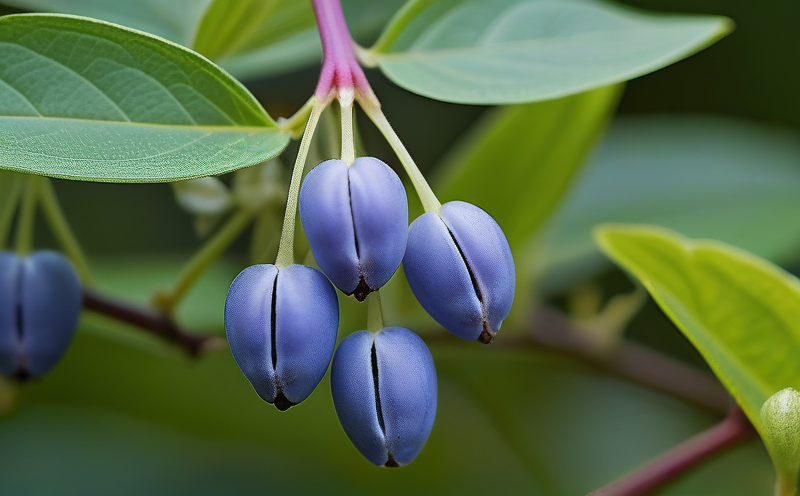
🍎 Honeyberry / Haskap
Lonicera caerulea
fruits
perennial bush
☀️ Sun
full sun to partial shade
💧 Water
consistent moisture; native to boreal wetlands
🗺️ Zones
2, 7
🧪 Soil pH
5.0, 7.0 (tolerates acidic to neutral)
🪴 Soil Type
well-drained loam, high organic matter
📏 Spacing
3-5 ft apart, 8-10 ft between rows (bush; cross-pollination needs 2+ varieties)
⏱️ Maturity
2-3 years (from planting); begins bearing 1-2 years after planting
🍴 Edible Parts
🍽️ Fruit
Key:🤝 Grows well together❌ Keep apart☀️ Sun needs💧 Water🗺️ Hardiness zone
🤝 Companions (7)
Similar acidic soil needs; staggered harvest extends berry season
Nitrogen fixer; groundcover; early bee forage coincides with honeyberry's very early bloom
Nutrient accumulation; mulch source
Similar growing conditions; complementary pollination periods
Repel aphids and powdery mildew
Nitrogen fixer for cold climates; pollinators
Groundcover understory
⚠️ Keep Apart (2)
Alkaline soil preference conflict
Juglone sensitivity
🛒 Buy Seeds & Plants
Baker Creek Heirloom Seeds
Johnny's Selected Seeds
Botanical Interests
True Leaf Market
Burpee
Territorial Seed Company
Plot Buddies is reader-supported. When you buy through links on our site, we may earn an affiliate commission at no extra cost to you. This does not affect our plant recommendations. We only link to retailers we trust.