🌿 Chamomile (German)
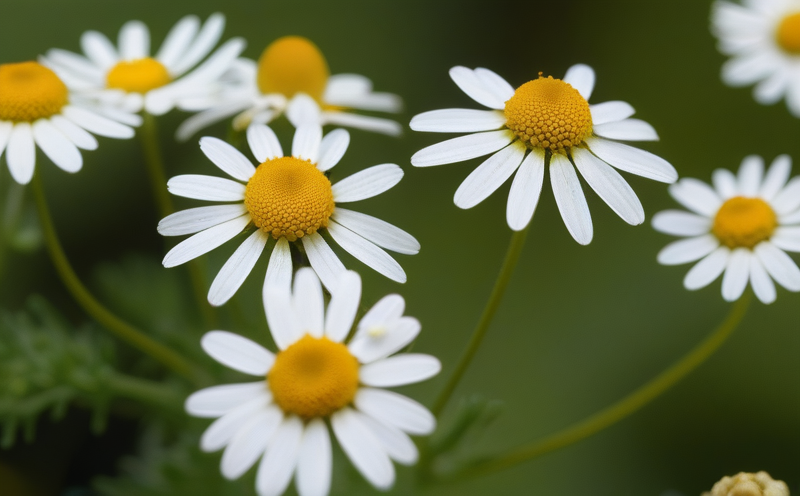
Matricaria chamomilla (syn. Matricaria recutita)
herbs Annual herb Asteraceae
Chamomile (German) plant photo
☀️ Sun
Full sun to partial shade; 4-6 hours minimum.
💧 Water
Moderate; drought-tolerant once established. Overwatering causes fungal issues.
🗺️ Zones
Annual everywhere; self-seeds readily. Best as cool-season annual.
🧪 Soil pH
5.5-7.5 (prefers sandy, well-drained, slightly acidic to neutral soil)
🪴 Soil Type
Light, well-draining, sandy; pH 5.6-7.5. Tolerates poor soil. Too-rich soil produces leggy plants with fewer flowers.
📏 Spacing
6-12 inches apart
📐 Height
12-30 inches (German); 4-12 inches (Roman)
⏱️ Maturity
60-65 days to flower harvest

🍴 Edible Parts

🍽️ Flowers (primarily) 🍽️ Leaves (mildly)
Key:🤝 Grows well together❌ Keep apart☀️ Sun needs💧 Water🗺️ Hardiness zone

🤝 Companions (7)

Chamomile (Matricaria chamomilla) has long been used as a companion plant in traditional European horticulture. It attracts beneficial insects including hoverflies and parasitic wasps that prey on aphids. Its feathery foliage and open flowers provide early-season pollen and nectar for beneficial insects. Note: the common claim that chamomile improves the flavor of nearby plants is rooted in Biodynamic farming tradition (Rudolf Steiner) and is not supported by controlled scientific studies.
Improves cucumber vigor; attracts beneficial insects.
May enhance mint's oil production, but must be separate due to mint's aggressive spreading.
Chamomile (Matricaria chamomilla) has long been used as a companion plant in traditional European horticulture. It attracts beneficial insects including hoverflies and parasitic wasps that prey on aphids. Its feathery foliage and open flowers provide early-season pollen and nectar for beneficial insects. Note: the common claim that chamomile improves the flavor of nearby plants is rooted in Biodynamic farming tradition (Rudolf Steiner) and is not supported by controlled scientific studies.
🤝 Wheat and grains
Traditional companion in European grain fields; improves yield.
Both are medicinal umbels that attract beneficial insects and improve essential oil production in nearby herbs.

⚠️ Keep Apart (2)

Mint's aggressive runners overwhelm chamomile. Only plant near containerized mint.
Some reports of chamomile increasing potato blight susceptibility , evidence mixed.

💊 Medicinal Uses

Conditions Treated

💊 Anxiety and stress (mild sedative, nervine , one of the most clinically studied calming herbs) 💊 Insomnia (well-documented sleep aid; apigenin binds to GABA receptors) 💊 Digestive issues (indigestion, gas, colic, IBS, stomach ulcers , anti-inflammatory and antispasmodic) 💊 Skin conditions (eczema, rashes, wounds, burns , potent anti-inflammatory and wound-healing) 💊 Teething pain in infants (chamomile teething rings/poultices) 💊 Menstrual cramps (antispasmodic and anti-inflammatory) 💊 Conjunctivitis and eye irritation (chamomile tea eyewash/compress) 💊 Mouth ulcers and gum inflammation (chamomile mouthwash) 💊 Hemorrhoids (sitz baths with chamomile)

Preparation Methods

  • Calming tea: 2-3 tsp dried flowers steeped 10-15 min (covered to preserve volatile oils); 1-3 cups daily for anxiety/insomnia
  • Sleep tea blend: Chamomile + lavender + lemon balm for enhanced sedative effect
  • Skin compress: Strong chamomile infusion applied to eczema, rashes, burns, and wounds
  • Eyewash: Well-strained, cooled chamomile tea for conjunctivitis and eye irritation
  • Bath: Strong chamomile infusion added to bathwater for anxiety, skin conditions, or children's bedtime bath
  • Tincture: 1:5 in 45% alcohol; 2-4ml 3x daily for anxiety or digestive issues
  • Mouthwash: Strong infusion used as gargle for oral inflammation
  • Sitz bath: Chamomile infusion for hemorrhoids and perineal healing
  • Steam facial: Chamomile flowers in hot water for skin health

Active Compounds

⚗️ Apigenin (key sedative flavonoid) ⚗️ α-bisabolol ⚗️ Chamazulene (anti-inflammatory) ⚗️ Matricin ⚗️ Coumarins

⚠️ Safety

Generally very safe even for children and infants. Rare allergic reactions in people sensitive to Asteraceae family (ragweed, daisies, marigolds). May interact with blood thinners (coumarin content) and sedatives. Avoid medicinal doses in pregnancy (may stimulate uterine contractions). Do not use if allergic to ragweed.

📜 History & Folklore

🏛️ Ancient

Ancient Egyptians dedicated chamomile to the sun god Ra and used it for fevers. Greeks and Romans used it extensively , Dioscorides recommended it for 'female complaints' and fevers. Name 'chamomile' from Greek 'chamaimelon' (earth apple) for its apple-like scent.

🏰 Medieval

One of the nine sacred herbs of the Anglo-Saxons (Lacnunga, 10th c.). Used as a strewing herb and in 'May baths.' Monk's herb , grown in every monastery garden. 'The plant physician' , planted near ailing plants to revive them.

🌿 Folk Medicine

European 'mother of the gut' , the universal digestive remedy for all ages. German 'alles zutraut' (capable of anything) reflects its reputation as a cure-all. Peter Rabbit's mother gave him chamomile tea. Traditional teething remedy for centuries.

🛒 Buy Seeds & Plants

Plot Buddies is reader-supported. When you buy through links on our site, we may earn an affiliate commission at no extra cost to you. This does not affect our plant recommendations. We only link to retailers we trust.