🥦 Arugula
Eruca vesicaria subsp. sativa
vegetables
leafy green (brassicaceae)
☀️ Sun
Full sun in cool weather; partial shade (4, 6 hours) in warm weather to delay bolting; afternoon shade extends harvest
💧 Water
Medium; 1 inch per week; consistent moisture produces tender, less-peppery leaves; drought stress makes leaves hotter/more pungent and causes bolting
🗺️ Zones
3, 4, 5, 6, 7, 8, 9, 10
🧪 Soil pH
6.0, 7.0 (slightly acidic to neutral)
🪴 Soil Type
Rich, well-drained loam with moderate organic matter; arugula grows well in average garden soil , too much nitrogen produces overly pungent leaves
🚿 Drainage
Well-drained; does not tolerate soggy soil , causes root rot and weak plants
📏 Spacing
Seeds 1 inch apart, thin to 4, 6 inches; rows 12 inches apart; broadcast sow for baby-leaf production (cut at 3, 4 inches)
⏱️ Maturity
21-40 days (from seed) for baby leaves; 35-50 days for full size
🍴 Edible Parts
🍽️ Leaves (raw or cooked)
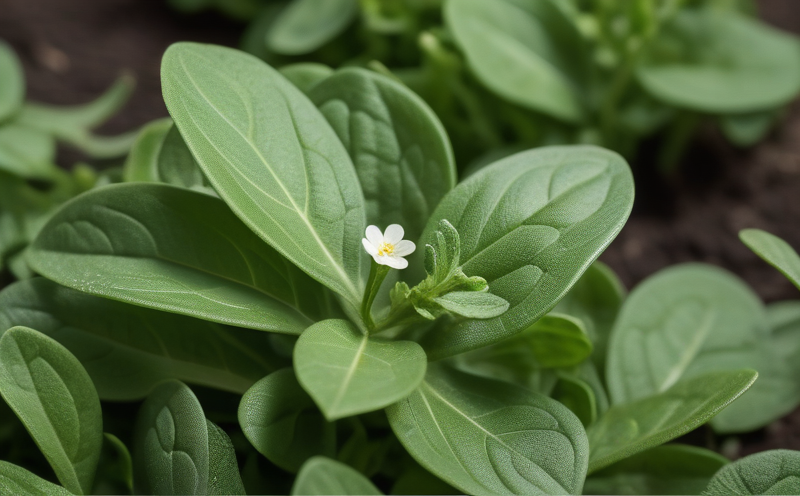
🍽️ Flowers (edible , white with purple veins, mild peppery flavor)
🍽️ Seeds (pressed for oil , taramira oil in India)
🍽️ Seed pods (young pods edible)
Key:🤝 Grows well together❌ Keep apart☀️ Sun needs💧 Water🗺️ Hardiness zone
🤝 Companions (8)
Beans fix nitrogen to support arugula's leaf production; beans provide light partial shade delaying bolting in warm weather
Different root depths , arugula is shallow, carrots are deep; arugula germinates quickly, marking rows for slow carrots
Attracts beneficial wasps that prey on caterpillars; dill's aromatic compounds may deter flea beetles
Similar growing conditions; arugula's strong scent may confuse lettuce pests; both cool-season crops
Trap crop for flea beetles (the main arugula pest); nasturtiums draw flea beetles away from arugula IMPORTANT management caveat: without active management, nasturtiums can become a SOURCE of aphids that migrate to nearby crops. Either remove aphid-infested nasturtium plants promptly, or treat the trap crop itself to eliminate the aphid colony before it spreads. Strategic placement within 4-5 feet of protected crops is key.
Quick intercrop between pepper plants
Both are fast-growing brassicaceae; radishes mark rows and break soil crust; harvested before arugula needs full space
Cool-season green beneath warm-season tomato; repels some pests
⚠️ Keep Apart (3)
Allelopathic , inhibits most garden plants including arugula
⚠️ Nightshades (tomato/eggplant/pepper)
Some sources report brassicas may stunt nightshade growth through root exudates; separate if possible
Strawberries and arugula compete for space; strawberries may inhibit arugula growth through root competition
💊 Medicinal Uses
Medicinal Properties
- Contains glucosinolates (erucin) , being studied for anti-cancer properties, particularly against colon and lung cancers
- High in vitamin K (bone health) and vitamin C
- Good source of folate, calcium, and potassium
- Traditionally used as a digestive aid and 'salad green' stimulant in Roman times
- Contains nitrates beneficial for cardiovascular health and exercise performance
📝 Growing Notes
Arugula (also called rocket/roquette/rucola) is one of the fastest crops , harvest in 21, 40 days. Two main types: standard garden arugula (lobed leaves, peppery) and wild arugula (Diplotaxis tenuifolia , narrower leaves, more pungent, perennial in warm zones). Succession plant every 2, 3 weeks for continuous harvest. Bolts rapidly in heat above 75°F , grow as spring/fall crop. Flowers are edible and attract pollinators. Flea beetles are the #1 pest , floating row covers prevent them. Self-seeds readily if allowed to flower.
🛒 Buy Seeds & Plants
Baker Creek Heirloom Seeds
Johnny's Selected Seeds
Botanical Interests
True Leaf Market
Burpee
Territorial Seed Company
Plot Buddies is reader-supported. When you buy through links on our site, we may earn an affiliate commission at no extra cost to you. This does not affect our plant recommendations. We only link to retailers we trust.