🌿 Peppermint
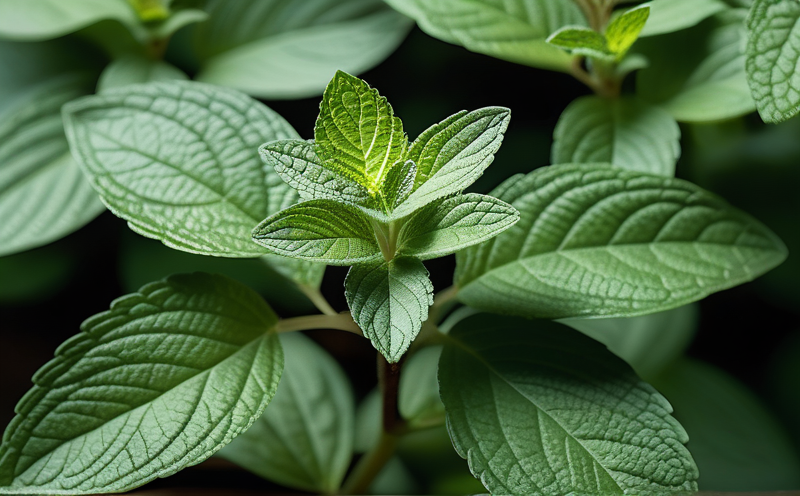
🍴 Edible Parts
🤝 Companions (3)
⚠️ Keep Apart (1)
💊 Medicinal Uses
Conditions Treated
Preparation Methods
- Digestive tea: 1-2 tsp dried peppermint steeped 10 min; for IBS, bloating, nausea
- Enteric-coated capsules: For IBS , peppermint oil in enteric form bypasses stomach to reach intestines
- Headache balm: 2-3% peppermint essential oil in carrier oil; apply to temples (avoid eyes)
- Steam inhalation: 1-2 drops essential oil in hot water for sinus congestion
- Tincture: 1:5 in 60% alcohol; 1-2ml for digestive spasms
- Foot bath: Peppermint infusion for tired, hot, swollen feet
Active Compounds
⚠️ Safety
HIGH ALERT: Do NOT use near face of infants/young children , can cause laryngospasm and respiratory arrest. Avoid with GERD/heartburn (relaxes esophageal sphincter). Avoid in large amounts during pregnancy. May reduce milk supply in nursing mothers. Do not apply undiluted essential oil to skin. Do not take essential oil internally without enteric coating for GI issues.
📜 History & Folklore
🏛️ Ancient
Not recognized as a separate species until the 17th century (John Ray, 1696). Before then, treated under general mint uses.
🏰 Medieval
Not distinguished from other mints in early medieval texts. By late medieval period, recognized as the superior medicinal mint. Used in 'stomach plasters' and 'comforting cordials.'
🌿 Folk Medicine
Became the dominant medicinal mint by the 18th century. Eclectic physicians used it for 'spasmodic conditions,' neuralgia, and digestive 'torpor.' Used as a 'diffusive stimulant' in herbal formulas to enhance absorption of other herbs.
🛒 Buy Seeds & Plants
Plot Buddies is reader-supported. When you buy through links on our site, we may earn an affiliate commission at no extra cost to you. This does not affect our plant recommendations. We only link to retailers we trust.