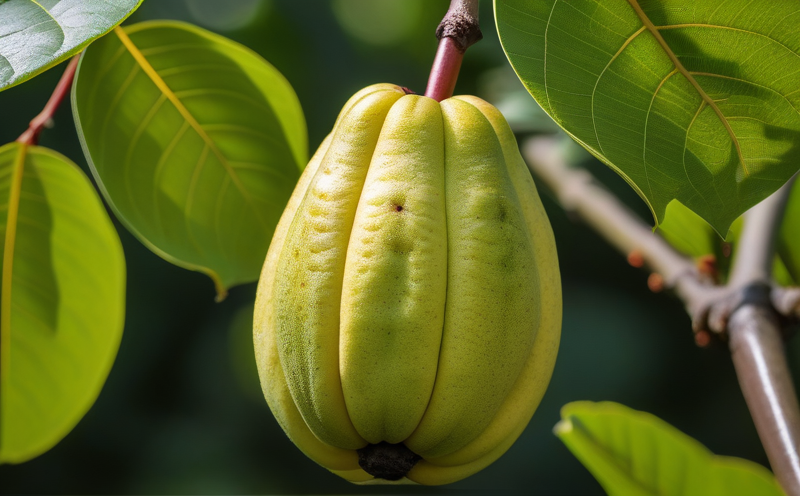
🍌 Pawpaw Tree
Asimina triloba
Tree
☀️ Sun
Partial shade when young; full sun when mature
💧 Water
Moderate to high; prefers consistently moist soil
🗺️ Zones
5–9
📏 Spacing
8–15 ft
📐 Height
15–30 ft
🧪 Soil pH
5.5–7.0
⏱️ Maturity
4–8 years to first fruit
Key:🤝 Grows well together❌ Keep apart☀️ Sun needs💧 Water🗺️ Hardiness zone
🤝 Companions (8)
Good companion — Pawpaw Tree and Comfrey grow well together.
🤝 Wild Ginger
Good companion — Pawpaw Tree and Wild Ginger grow well together.
Good companion — Pawpaw Tree and Spicebush grow well together.
Good companion — Pawpaw Tree and Elderberry grow well together.
🤝 Clover
Good companion — Pawpaw Tree and Clover grow well together.
Good companion — Pawpaw Tree and Serviceberry grow well together.
🤝 Trout Lily
Good companion — Pawpaw Tree and Trout Lily grow well together.
Good companion — Pawpaw Tree and Bloodroot grow well together.
⚠️ Keep Apart (3)
⚠️ Grass (turf)
Keep apart — these plants do not grow well together.
⚠️ Invasive trees
Keep apart — these plants do not grow well together.
⚠️ Full-shade plantings
Keep apart — these plants do not grow well together.
📝 Growing Notes
Pawpaws are native North American understory trees that naturally grow in woodland edges and prefer high organic matter and consistent moisture. They are genuinely deer-resistant thanks to acetogenins in their leaves and bark. Two different varieties are needed for cross-pollination, and they integrate beautifully into multi-strata food forests.