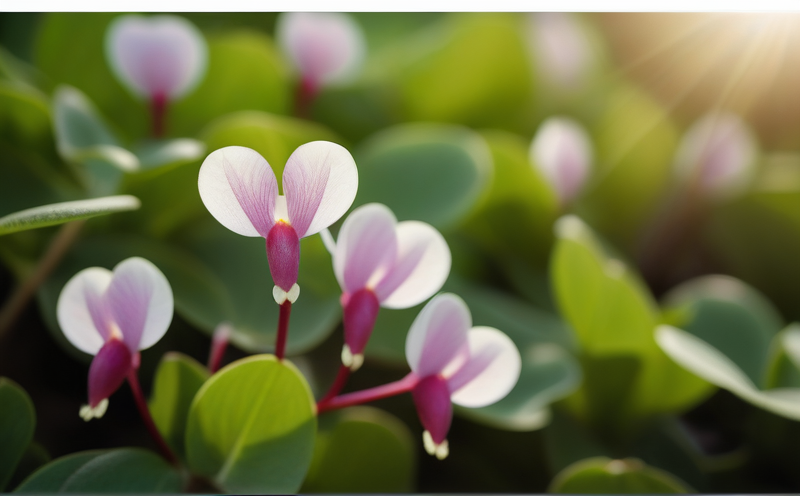
🥦 Oca
Oxalis tuberosa
vegetables
perennial tuber (grown as annual)
☀️ Sun
full sun
💧 Water
moderate, consistent
🗺️ Zones
7, 10 (needs short days for tuberization)
🧪 Soil pH
5.5-6.5
🪴 Soil Type
well-draining, fertile, slightly acidic
🚿 Drainage
Well-drained
📏 Spacing
12-18 in. apart, 24-30 in. between rows
⏱️ Maturity
150-210 days (from planting tubers); harvest after frost kills foliage for best flavor
🍴 Edible Parts
🍽️ Boiled, baked, roasted, raw in salads (lemony flavor), traditional Andean stews
Key:🤝 Grows well together❌ Keep apart☀️ Sun needs💧 Water🗺️ Hardiness zone
🤝 Companions (9)
Amaranth provides light shade that oca appreciates in strong sun; oca's dense groundcover retains soil moisture that amaranth's shallow roots need.
Nitrogen-fixing companion for oca
Corn provides partial shade in hot climates
Mashua deters nematodes and pests from oca tubers with its natural repellent compounds; traditional Andean farmers always plant them together for protection.
Both Andean tubers; oca matures after potato harvest
Quinoa grows tall above oca's low-spreading foliage; oca's groundcover suppresses weeds while quinoa's deep roots pull up minerals both benefit from.
Oca, mashua, and ulluco form the traditional Andean tuber triad , each occupies slightly different soil depths and has complementary nutrient needs.
🤝 lupines
Lupines fix substantial nitrogen to feed oca's tuber production; both thrive in the well-drained, slightly acidic soils of their native Andes.
⚠️ Keep Apart (1)
⚠️ plants needing long summer days (oca is short-day)
Growth inhibition or competition
📝 Growing Notes
Traditional Andean tuber, second only to potato in importance. Planted with mashua and ulluco in traditional systems. Lupines used as nitrogen-fixing rotation. Forms tubers on short days, harvest after frost.
🛒 Buy Seeds & Plants
Baker Creek Heirloom Seeds
Johnny's Selected Seeds
Botanical Interests
True Leaf Market
Burpee
Territorial Seed Company
Plot Buddies is reader-supported. When you buy through links on our site, we may earn an affiliate commission at no extra cost to you. This does not affect our plant recommendations. We only link to retailers we trust.