🫘 Fava Bean (Broad Bean)
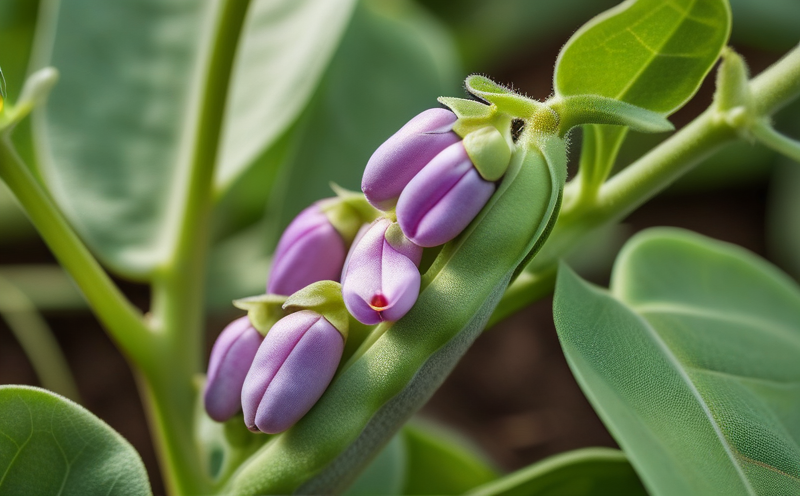
Vicia faba
vegetables legume (cool-season annual)
Fava Bean (Broad Bean) plant photo
☀️ Sun
Full sun (6, 8 hours); tolerates partial shade better than most vegetables , one of the most shade-tolerant legumes
💧 Water
Medium; 1 inch per week; consistent moisture during flowering and pod set critical; reduce watering when pods begin filling; drought during pod fill = few/small beans
🗺️ Zones
3, 4, 5, 6, 7, 8, 9, 10
🧪 Soil pH
6.0, 7.0 (slightly acidic to neutral); tolerates slightly alkaline soil better than most beans
🪴 Soil Type
Rich, well-drained, loamy soil with moderate organic matter; fava beans are NOT as nitrogen-fixing-dependent as other beans , they benefit from moderate fertility; incorporate compost; avoid excessive nitrogen (delays flowering)
🚿 Drainage
Well-drained essential; fava beans are especially sensitive to waterlogged winter soil , raised beds recommended in wet winter climates
📏 Spacing
Seeds 4, 6 inches apart; rows 18, 24 inches; dwarf varieties: 15, 18 inch rows; fava beans grow tall (3, 5 feet) , may need staking in windy areas
⏱️ Maturity
75-90 days (from seed); 80-100 days for dry beans

🍴 Edible Parts

🍽️ Seeds/beans (the main crop , shelled fresh or dried; must be shelled twice: once from pod, then each bean's individual skin for best texture) 🍽️ Young pods (whole pods edible when very young, 2, 3 inches , like snow peas) 🍽️ Leaves/tops (tender growing tips , sautéed like spinach; traditional in Italian/Mediterranean cuisine) 🍽️ Flowers (edible , ornamental addition to salads)
Key:🤝 Grows well together❌ Keep apart☀️ Sun needs💧 Water🗺️ Hardiness zone

🤝 Companions (8)

Attracts beneficial insects and pollinators
Repels nematodes and various bean pests; attracts beneficial insects
Trap crop for black bean aphids (favas' #1 pest); ground cover retains moisture IMPORTANT management caveat: without active management, nasturtiums can become a SOURCE of aphids that migrate to nearby crops. Either remove aphid-infested nasturtium plants promptly, or treat the trap crop itself to eliminate the aphid colony before it spreads. Strategic placement within 4-5 feet of protected crops is key.
Fava beans repel Colorado potato beetles; potatoes repel black bean aphids from favas; different root depths , classic European intercropping combination
Attracts beneficial insects and pollinators
The 'bean herb' , repels bean beetles; may improve growth and flavor

⚠️ Keep Apart (4)

Some sources report beets and fava beans are antagonistic; separate if possible
Allelopathic , strongly inhibits fava bean growth and nitrogen fixation
Strong allium inhibition , the worst companion for fava beans; sulfur compounds disrupt nitrogen-fixing rhizobia; severely stunted plants
Peppers are warm-season; favas finish as peppers start, but avoid planting in same soil without rotation , potential for disease carryover

💊 Medicinal Uses

Medicinal Properties

  • Excellent plant-based protein source , one of the highest-protein legumes (25%+ by dry weight when shelled)
  • Exceptionally rich in L-dopa (levodopa) , the precursor to dopamine; fava beans are the natural food source with the highest L-dopa content; being studied for Parkinson's disease management
  • Rich in folate , one cup provides 100%+ daily value; critical for fetal development and cardiovascular health
  • High in fiber, iron, magnesium, potassium, and B vitamins
  • WARNING: Favism , a genetic G6PD enzyme deficiency affecting ~400 million people worldwide (especially Mediterranean, African, Middle Eastern descent); eating fava beans can cause severe hemolytic anemia in susceptible individuals

📝 Growing Notes

Fava beans (broad beans) are one of the oldest cultivated crops (6,000+ years). Unlike most beans, they are COOL-SEASON , plant as early as soil can be worked (they tolerate frost to 21°F/-6°C). In Zones 7, 10, plant in fall for early spring harvest. Pinch out growing tips when first pods appear , this redirects energy to pods AND removes the soft tissue that black bean aphids prefer (the #1 pest of favas). Harvest when pods are plump but still green , beans continue to mature after picking. For dried beans, let pods turn black on the plant. Favas make an outstanding winter cover crop/green manure , the biomass adds significant nitrogen and organic matter when turned under. Tall varieties need staking; dwarf varieties are self-supporting. The flowers are fragrant and attract bumblebees.

🛒 Buy Seeds & Plants

Plot Buddies is reader-supported. When you buy through links on our site, we may earn an affiliate commission at no extra cost to you. This does not affect our plant recommendations. We only link to retailers we trust.