🥦 Endive (Curly / Frisée) and Escarole
Cichorium endivia
vegetables leafy green (chicory family, asteraceae)
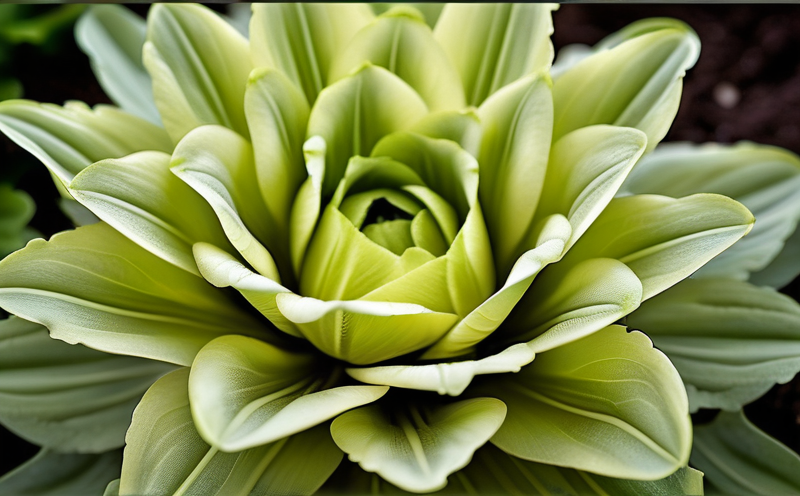
Endive (Curly / Frisée) and Escarole plant photo
☀️ Sun
Full sun in cool weather; partial shade (4, 6 hours) in warm weather; afternoon shade delays bolting
💧 Water
Medium; 1 inch per week consistently; even moisture critical for tender, non-bitter leaves; drought stress = intensely bitter endive
🗺️ Zones
3, 4, 5, 6, 7, 8, 9, 10
🧪 Soil pH
6.0, 7.0 (slightly acidic to neutral)
🪴 Soil Type
Rich, moisture-retentive, well-drained loam with high organic matter; endive is a moderate feeder , incorporate 2 inches of compost before planting; too much nitrogen causes excessive outer leaf growth at expense of blanched hearts
🚿 Drainage
Well-drained but consistently moist; endive needs steady moisture for tender leaves
📏 Spacing
10, 12 inches apart; rows 18, 24 inches; escarole needs more space (12, 14 inches) than curly endive
⏱️ Maturity
45-65 days (from seed) for baby; 65-90 days for full heads

🍴 Edible Parts

🍽️ Leaves (the main crop , eaten raw in salads or cooked) 🍽️ Heart (inner blanched leaves , more tender and less bitter) 🍽️ Stems (tender inner stems edible)
Key:🤝 Grows well together❌ Keep apart☀️ Sun needs💧 Water🗺️ Hardiness zone

🤝 Companions (6)

Beans fix nitrogen to support endive leaf production; beans harvested mid-season before endive needs full space
Different root depths , endive is shallow, carrots are deep; complementary water needs; endive provides living mulch
Similar growing conditions , both cool-season leafy greens; lettuce harvested earlier leaving endive space to mature; different pest profiles
Trap crop for aphids; ground cover retains soil moisture; endive benefits from pest diversion IMPORTANT management caveat: without active management, nasturtiums can become a SOURCE of aphids that migrate to nearby crops. Either remove aphid-infested nasturtium plants promptly, or treat the trap crop itself to eliminate the aphid colony before it spreads. Strategic placement within 4-5 feet of protected crops is key.
Repels aphids from endive; sulfur compounds mask plant scent; different root zones
Radishes mark rows for slower-germinating endive; radishes harvested early before endive matures; radishes repel flea beetles

⚠️ Keep Apart (3)

Allelopathic , inhibits endive and all chicory-family plants
Sprawling squash vines overwhelm endive; heavy feeders compete for nutrients; squash shade prevents proper endive heading
Some sources report strawberries may inhibit endive growth through root competition

💊 Medicinal Uses

Medicinal Properties

  • Contains inulin , prebiotic fiber supporting gut microbiome health
  • Rich in vitamin K, vitamin A, and folate; good source of manganese
  • Contains intybin , the bitter compound that stimulates appetite and digestive function; traditionally used as a digestive tonic
  • Bitter compounds (sesquiterpene lactones) may support liver and gallbladder function
  • Low calorie, high fiber , supports weight management and blood sugar regulation

📝 Growing Notes

Two main types: Curly endive (frisée) , finely cut, frilly leaves, and Escarole , broad, slightly crumpled leaves with more substantial texture. Both are cool-season crops in the chicory family (related to radicchio and Belgian endive/witloof , which is a DIFFERENT species, Cichorium intybus). Bitterness increases with heat , grow as spring or fall crop. Blanching (covering the center 7, 10 days before harvest) reduces bitterness and produces tender, pale hearts , tie leaves loosely over the center or use an inverted plate. Excellent for succession planting. Much more heat-tolerant than lettuce , can extend salad season into early summer when lettuce has bolted. Great winter crop in Zones 8+.

🛒 Buy Seeds & Plants

Plot Buddies is reader-supported. When you buy through links on our site, we may earn an affiliate commission at no extra cost to you. This does not affect our plant recommendations. We only link to retailers we trust.