🌿 Tarragon
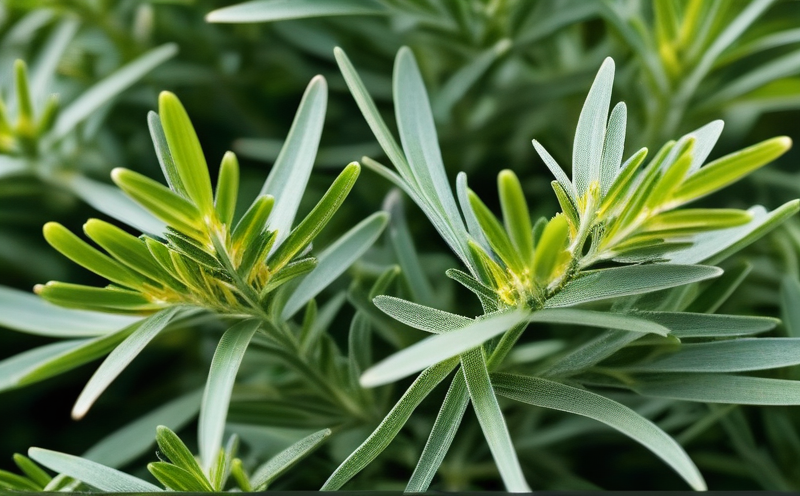
🍴 Edible Parts
🤝 Companions (2)
⚠️ Keep Apart (1)
💊 Medicinal Uses
Conditions Treated
Preparation Methods
- Digestive vinegar: Tarragon infused in white wine vinegar , a classic French 'vinaigre à l'estragon'; 1 tsp before meals as appetite stimulant
- Tea: 1 tsp dried tarragon steeped 5-10 min; for digestive sluggishness and as a sleep aid
- Tincture: 1:5 in 45% alcohol; 1-2ml before meals for digestive stimulation
- Chewing leaves: Fresh leaf chewed for toothache (numbing effect)
- Tarragon butter: Finely chopped in butter , culinary medicine for digestive support
Active Compounds
⚠️ Safety
Contains estragole , a potential carcinogen in very high isolated doses. Normal culinary use is considered safe. Avoid long-term high-dose medicinal use. Avoid medicinal doses during pregnancy (emmenagogue and estragole concerns). May interact with blood thinners (coumarins). Russian tarragon has minimal medicinal value.
📜 History & Folklore
🏛️ Ancient
Used by ancient Greeks and Romans for snakebite and as an anesthetic. Pliny noted tarragon prevented fatigue , travelers placed sprigs in their shoes.
🏰 Medieval
Called 'little dragon' (dracunculus) , believed to cure dragon bites and snake venom (Doctrine of Signatures , the coiled root resembled a dragon/serpent). Used in medieval monastery gardens.
🌿 Folk Medicine
French folk medicine uses tarragon as a digestive bitter and appetite stimulant. Used to treat 'lazy stomach.' Tarragon vinegar is a traditional European digestive tonic. Russian tarragon used as a cheap substitute but lacks medicinal potency.
🛒 Buy Seeds & Plants
Plot Buddies is reader-supported. When you buy through links on our site, we may earn an affiliate commission at no extra cost to you. This does not affect our plant recommendations. We only link to retailers we trust.