🌿 Skullcap
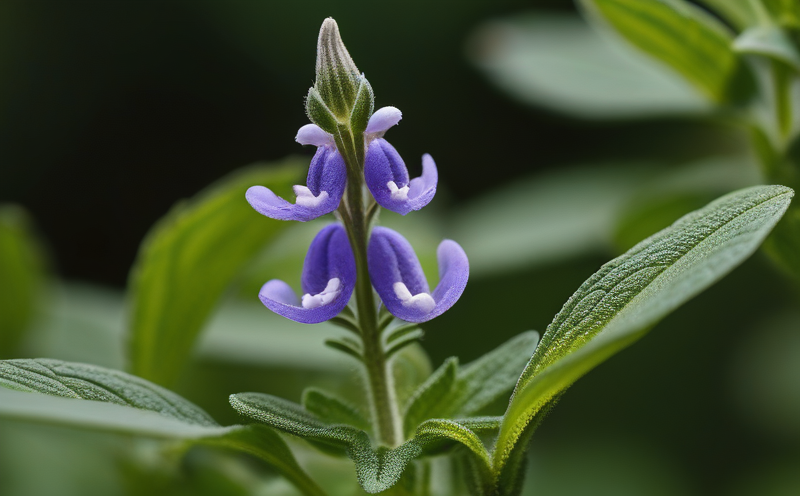
Scutellaria lateriflora
medicinal_herbs
perennial
Lamiaceae
☀️ Sun
Full sun to partial shade
💧 Water
Moderate to high
🗺️ Zones
4, 8
🧪 Soil pH
6.0, 7.5
🪴 Soil Type
Moist, rich loam
🚿 Drainage
Moist to wet, well-drained
📏 Spacing
12, 18 inches
📐 Height
1, 3 feet
⏱️ Maturity
90, 120 days
Key:🤝 Grows well together❌ Keep apart☀️ Sun needs💧 Water🗺️ Hardiness zone
🤝 Companions (10)
🤝 Blue Flag Iris
Wetland companions with similar moisture needs
🤝 Cardinal Flower
Both native moisture lovers for pond edges
Pollinator attractors together
Tall companion provides partial shade for skullcap
Shared moisture needs, calming garden theme
Historic herbalist garden pairing
Moisture-loving companions
Moist soil compatibility
Synergistic nervine companions
Traditional nervous-system herb pairing
⚠️ Keep Apart (3)
Drought-tolerant, skullcap needs moisture
Too dry for skullcap
Prefer drier conditions, incompatible
📝 Growing Notes
Not to be confused with Chinese skullcap (Scutellaria baicalensis), which has different properties. Harvest aerial parts during early flowering for highest flavonoid content. Spreads by rhizomes in moist conditions. Tolerates partial shade well , excellent woodland-edge herb.
🛒 Buy Seeds & Plants
Baker Creek Heirloom Seeds
Johnny's Selected Seeds
Botanical Interests
True Leaf Market
Burpee
Territorial Seed Company
Plot Buddies is reader-supported. When you buy through links on our site, we may earn an affiliate commission at no extra cost to you. This does not affect our plant recommendations. We only link to retailers we trust.