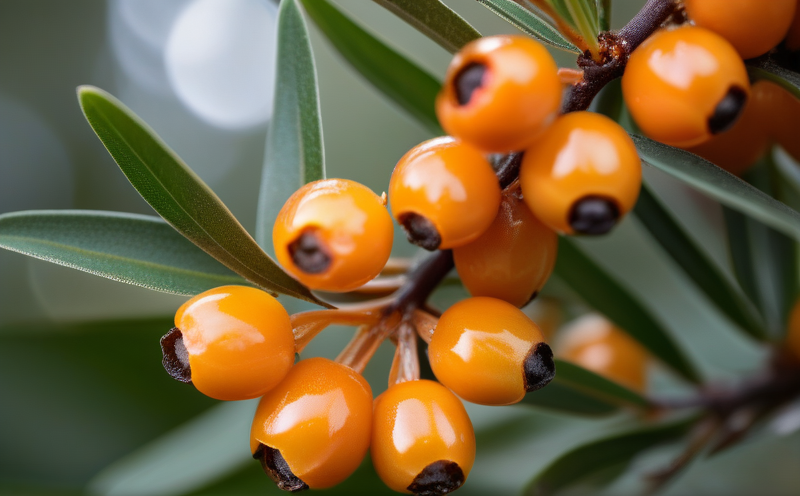
🍊 Sea Buckthorn
Hippophae rhamnoides
Shrub
☀️ Sun
Full sun (6+ hours)
💧 Water
Low; drought-tolerant; thrives in poor sandy soils
🗺️ Zones
3–7
📏 Spacing
10–12 ft
📐 Height
6–15 ft
🧪 Soil pH
6.0–8.0
⏱️ Maturity
3–4 years to first fruit on female plants
Key:🤝 Grows well together❌ Keep apart☀️ Sun needs💧 Water🗺️ Hardiness zone
🤝 Companions (6)
🤝 Clover
Good companion — Sea Buckthorn and Clover grow well together.
Good companion — Sea Buckthorn and Comfrey grow well together.
🤝 Black Locust
Good companion — Sea Buckthorn and Black Locust grow well together.
🤝 Alder
Good companion — Sea Buckthorn and Alder grow well together.
🤝 Native grasses
Good companion — Sea Buckthorn and Native grasses grow well together.
🤝 Another Sea Buckthorn (male)
Good companion — Sea Buckthorn and Another Sea Buckthorn (male) grow well together.
⚠️ Keep Apart (3)
⚠️ Dense shade trees
Keep apart — these plants do not grow well together.
⚠️ Waterlogged soils
Keep apart — these plants do not grow well together.
⚠️ Rich heavy soils
Keep apart — these plants do not grow well together.
📝 Growing Notes
Sea buckthorn is a nitrogen-fixing shrub that improves the fertility of surrounding soil through its Frankia bacterial symbiosis — one of the rare non-legume nitrogen fixers. It requires one male plant for every 6–8 female plants for pollination. The thorny dense growth makes it an excellent wildlife hedge and the berries are extremely high in vitamins C, E, and omega-7 fatty acids.