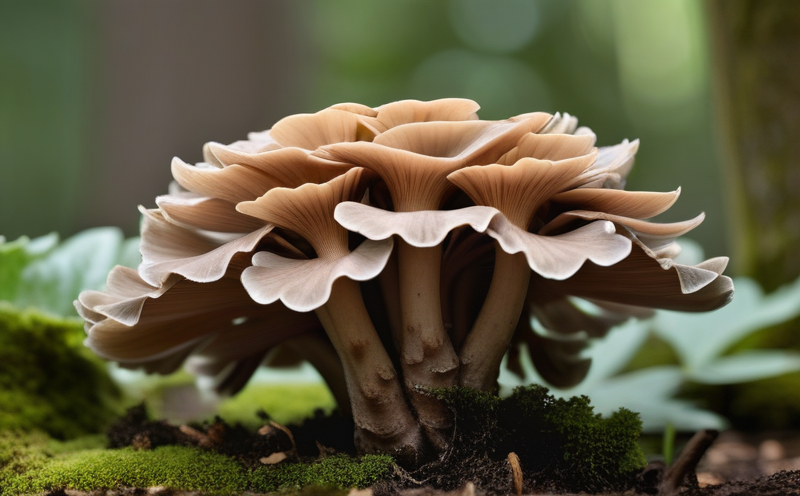
🍄 Maitake
Grifola frondosa
medicinal_mushrooms
fungus
Meripilaceae
☀️ Sun
Dappled shade (80, 90% shade)
💧 Water
High humidity (70, 85%); soak logs periodically
🗺️ Zones
4, 8 (outdoor log cultivation)
🧪 Soil pH
N/A (grown on logs/sawdust)
🪴 Soil Type
Hardwood logs (oak, elm, maple) or supplemented sawdust blocks
🚿 Drainage
N/A (logs should be off ground in humid, shaded area)
📏 Spacing
Logs stacked with ample air space; fruiting clusters need room
📐 Height
Fruiting cluster 4, 24 inches across
⏱️ Maturity
12, 24 months from inoculation to first fruiting
Key:🤝 Grows well together❌ Keep apart☀️ Sun needs💧 Water🗺️ Hardiness zone
🤝 Companions (7)
Shade and humidity maintenance
🤝 Moss
Humidity indicator and environment stabilizer
🤝 Oak Trees
Natural host tree for outdoor cultivation
Different substrate niche, complementary mushroom yard
Oak log mushroom cultivation companion
🤝 Solomon's Seal
Woodland understory companion plant
🤝 Wine Cap Mushroom
Different growing method, diverse mushroom garden
⚠️ Keep Apart (3)
Juglone toxicity affects surrounding soil biology
Antifungal wood oils inhibit mycelial growth
⚠️ Pine
Conifer resins and low pH inhibit hardwood-loving fungi
📝 Growing Notes
Challenging to cultivate , needs very specific temperature and humidity conditions. Found wild at the base of mature oak trees in late summer/fall. Fruits from buried logs or supplemented sawdust blocks with a casing layer. Each cluster can weigh 5, 20+ pounds in the wild. Rich, earthy, savory flavor , excellent sautéed in butter or as broth. Can be dried for long-term storage.
🛒 Buy Seeds & Plants
Baker Creek Heirloom Seeds
Johnny's Selected Seeds
Botanical Interests
True Leaf Market
Burpee
Territorial Seed Company
Plot Buddies is reader-supported. When you buy through links on our site, we may earn an affiliate commission at no extra cost to you. This does not affect our plant recommendations. We only link to retailers we trust.