Botanical illustration of Chickpea (Garbanzo Bean / Bengal Gram)
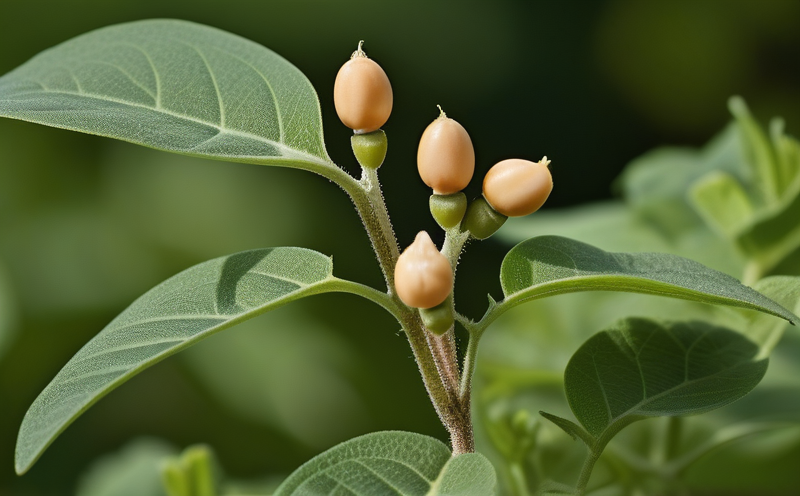
🎨 AI-generated botanical illustration

🥕 Chickpea (Garbanzo Bean / Bengal Gram)

Cicer arietinum
vegetables legume (cool-season annual)
☀️ Sun
Full sun (6–8 hours); demands full sun for pod production
💧 Water
LOW; chickpeas are extremely drought-tolerant — overwatering is far more dangerous than underwatering; water only when soil is dry 2 inches down; 0.5–1 inch per week maximum; reduce water when pods begin filling; too much water = foliar disease (Ascochyta blight) and rot
🗺️ Zones
[3, 4, 5, 6, 7, 8, 9]
🧪 Soil pH
6.0–7.5 (slightly acidic to slightly alkaline); tolerates alkaline soil better than most legumes
🪴 Soil Type
Well-drained, light sandy-loam to loamy soil; chickpeas PREFER poorer soil — they are extremely drought-tolerant and nitrogen-fixing, so rich soil produces excessive foliage with few pods; do NOT add nitrogen fertilizer; incorporate modest compost; excellent for marginal soils
🚿 Drainage
EXCELLENT drainage absolutely essential — chickpeas are the most drought-tolerant legume; they will ROT in heavy, wet soil; native to semi-arid regions of the Middle East; raised beds or sandy soil ideal
📏 Spacing
4–6 inches apart; rows 18–24 inches; plants are bushy, 12–24 inches tall; thin to the strongest seedlings; chickpeas are relatively small plants compared to other legumes

🍴 Edible Parts

🍽️ Seeds/beans (the main crop — the 'chickpea' or 'garbanzo'; nutty, buttery; used in hummus, falafel, curries, salads, roasted snacks) 🍽️ Young green pods (harvested green like edamame — rare delicacy) 🍽️ Young leaves/shoots (edible cooked) 🍽️ Sprouts (sprouted chickpeas are a traditional raw food)

🤝 Companions (7)

🤝 Carrot
Attracts beneficial insects and pollinators
🤝 Cucumber
Attracts beneficial insects and pollinators
🤝 Marigold (French)
Deters nematodes; attracts beneficial insects; low-growing companion
🤝 Potato
Chickpeas repel Colorado potato beetles (like other legumes); potatoes and chickpeas have complementary nutrient needs; different root depths
🤝 Strawberry
Attracts beneficial insects and pollinators
🤝 Summer Savory
The 'bean herb' — repels bean beetles; may improve legume growth and flavor universally
🤝 cilantro/coriander (as companion, not rotation)
Cilantro attracts beneficial insects; harvested before chickpeas mature; compatible within chickpea rows

⚠️ Keep Apart (4)

⚠️ Fennel
Allelopathic — strongly inhibits chickpea growth and nitrogen fixation
⚠️ Gladiolus
Traditional gardening wisdom: gladiolus and all beans/peas are antagonistic
⚠️ Sunflower
Allelopathic root exudates suppress chickpea germination
⚠️ onion/garlic/allium
Strong allium inhibition — sulfur compounds disrupt nitrogen-fixing rhizobia; severe stunting of chickpeas

💊 Medicinal Uses

Medicinal Properties

  • Excellent plant-based protein — 15g per cup cooked; cornerstone of vegetarian/vegan diets worldwide for millennia
  • Exceptionally rich in fiber — 12.5g per cup (primarily soluble); proven to lower LDL cholesterol and improve heart health
  • Low glycemic index (28–32) — excellent for blood sugar management and diabetic diets; the soluble fiber slows sugar absorption
  • Rich in folate, iron, phosphorus, manganese, copper, and magnesium — broad micronutrient profile
  • Contains saponins — phytochemicals that may lower cholesterol and have anti-cancer properties
  • Traditional Ayurvedic medicine: considered a cooling, astringent food; used for digestive disorders and as a tonic
  • Contains butyrate — a short-chain fatty acid produced when gut bacteria ferment chickpea fiber; reduces inflammation in the colon
  • Staple food of the Mediterranean diet — associated with longevity and reduced chronic disease risk

📝 Growing Notes

Chickpeas are one of humanity's oldest cultivated crops (7,500+ years, originated in the Fertile Crescent). They are a COOL-SEASON legume (like favas and peas, unlike common beans). Plant as early as soil can be worked — 2–4 weeks before last frost. They grow best in the narrow window between cool spring soil and summer heat — 65–70°F days are ideal; they stop producing above 85°F. The growing season is long: 90–100 days for dry beans, 65–75 days for fresh green chickpeas. Two main types: 'Kabuli' (large, beige, the 'garbanzo' — most common in Western markets; smoother coat) and 'Desi' (smaller, darker, more wrinkled coat — primarily Indian subcontinent). Chickpea plants are covered in tiny glandular hairs that secrete malic and oxalic acids — the plant is sticky to touch, and this natural defense deters many pests. Harvest when pods are dry and brown. Yields are modest compared to other legumes (1–2 pods per plant with 1–2 peas each) — commercial production relies on vast acreage. Fresh green chickpeas (harvested like edamame) are a rare delicacy — sweet, nutty, incomparable to dried. Important crop for regenerative agriculture — fixes significant nitrogen and thrives with minimal inputs.

🛒 Buy Seeds & Plants

Plot Buddies is reader-supported. When you buy through links on our site, we may earn an affiliate commission at no extra cost to you. This does not affect our plant recommendations — we only link to retailers we trust.